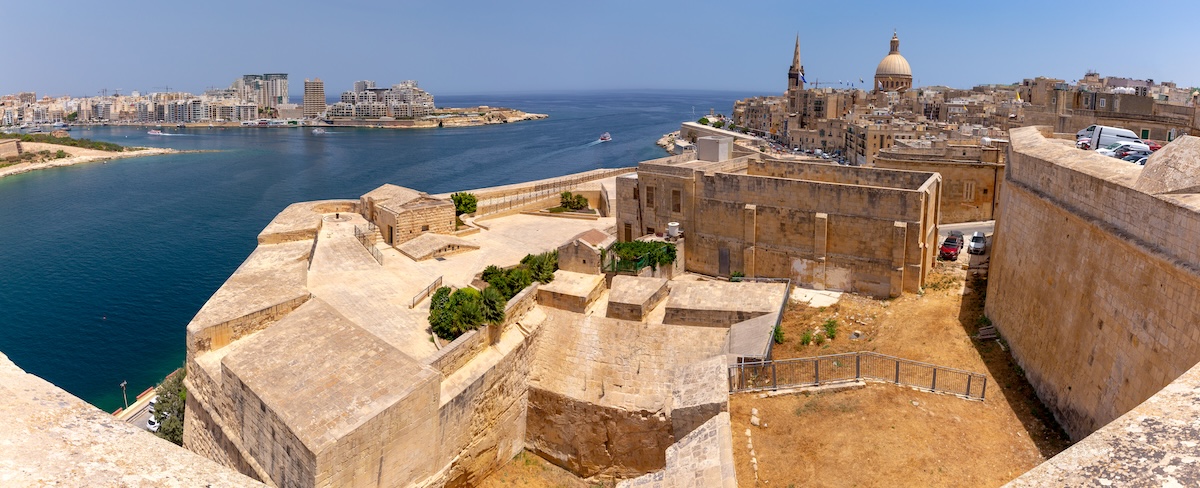
If you are looking at March and April travel and everything else feels like a gamble, Malta is often the answer. While much of Europe is still stuck between winter and spring, Malta is already shifting into brighter days with a more outdoors friendly rhythm. Spring is widely described as one of the best times of year here, with comfortable warmth and relatively low rainfall.
From Sliema, March is especially easy. You get sea air on your doorstep, a relaxed pace, and Valletta close enough to feel like an effortless day out rather than a mission.
What the weather feels like in Malta in March and April
March in Malta and April is mild, and that matters more than people realise. Typical averages for Sliema sit around 13 C to 17 C, with around 8 hours of sunshine per day and modest rainfall levels.
It is not summer, but that is the point. You can walk, explore, and sit outside without feeling overheated.
Why Sliema is the best base for March and April months
Spring trips in Malta are about comfort. You want a place that makes it easy to do a little, rest a little, then go again.
Sliema gives you that balance. Mornings can start with a promenade walk and coffee. Afternoons can be spent in Valletta without needing to change hotels. Evenings can be as quiet or lively as you want.
If you are choosing accommodation in Malta or comparing hotels in Malta for March, a boutique base like Palazzo Violetta works well because March travel often includes more walking and more day trips, so coming back to calm matters.
What to Do in March from Sliema
A March rhythm that works almost every time
March in Malta rewards an unhurried pace. Days are bright, temperatures are comfortable, and you can plan your time without building everything around heat or crowds.
Start in Sliema, then choose where to go
Begin your mornings in Sliema itself. A walk along the promenade, a coffee by the water, or a slow start near Tigné Point sets the tone for the day. From here, you have options rather than obligations.
Some days, that might mean hopping on the ferry to Valletta, which runs frequently on its winter schedule through 31 May. Other days, you might head in the opposite direction towards St Julian’s, passing neighbourhood churches, historic streets, and elegant cafes along the way. Staying in Sliema keeps everything flexible and close.
Keep Valletta simple
When you do visit Valletta, think quality over quantity. Wander the streets, pause for harbour views, choose one cultural highlight, then head back before it becomes a long day. Valletta shines most when enjoyed slowly – and knowing you can return easily to Sliema makes the visit feel lighter.
Make March your walking month
March is one of the best months for walking in Malta. The mild weather makes it comfortable to explore coastal paths, historic neighbourhoods, and seafront routes linking Sliema, Gżira, and St Julian’s. This is also a great time to notice smaller details, churches tucked into side streets, viewpoints you might skip in summer, and everyday local life unfolding outdoors.
Plan one outdoor lunch
March and April are when outdoor lunches start to feel genuinely appealing again. A sunny table by the sea, a long lunch near the harbour, or a relaxed meal along the coast can easily become the highlight of the day. You don’t need to plan much, just follow the light and the mood.
Keep one flexible day for weather shifts
March and April can still bring the occasional breeze or light shower. Keeping one day loosely planned lets you adjust easily — perhaps visiting a museum, enjoying a long café stop, or simply slowing the pace rather than rushing between sights.
Why Malta in March is such a smart choice
March travel is often about leaving grey skies behind and easing into spring. Malta offers that balance beautifully, with mild temperatures, good daylight, and a walkable style of holiday that suits couples, solo travellers, and families alike.
If you want March to feel like a break rather than a battle with the weather, Malta delivers. Base yourself in Sliema at Palazzo Violetta, keep Valletta as an easy option rather than the focus, explore nearby areas like St Julian’s, and let the island unfold naturally from day one.